
Chapter 7 Bankruptcy
Chapter 7 bankruptcy is a legal option designed to help individuals eliminate certain unsecured debts when repayment is no longer manageable. Often referred to as “liquidation bankruptcy,” it allows eligible filers to discharge debts such as credit cards and medical bills, typically within a few months. While Chapter 7 can provide fast relief from overwhelming debt, it may also involve the sale of non-exempt assets and can have a lasting impact on credit. For this reason, many individuals explore alternatives—such as debt consolidation or settlement—before filing, as these options may offer relief without the long-term consequences of bankruptcy.
Bankruptcy is a legal procedure that allows individuals to discharge debts when they have become insurmountably high, thereby providing those deep in debt with the opportunity of a fresh financial start. Prior to filing for bankruptcy, the individual makes a comprehensive list of all debts, assets, income and expenses. This is the most important and time consuming aspect of filing for bankruptcy, but it helps everyone involved (including the judge, trustee, and petitioner) to gain a clear and complete understanding of the petitioner’s financial situation.
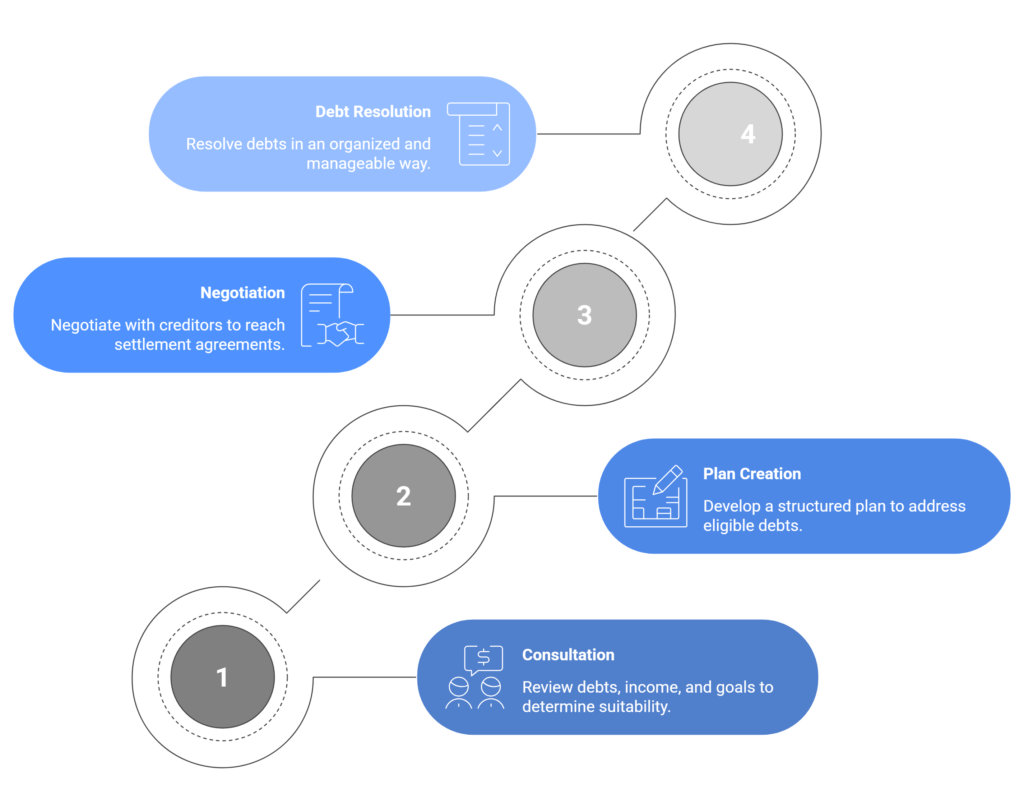
Additionally, within 180 days prior to any filing, petitioners are required to undergo credit counseling through a Federally approved counseling agency. This counseling takes fewer than two hours to complete over the phone or online and is done to ensure that all possible alternatives to bankruptcy (such as debt consolidation and debt settlement) have been sufficiently explored.

Where to Go for an Auto Loan
Chapter 7 is filed by individual debtors with below median-level incomes for the state in which they reside. A Chapter 7 proceeding involves paying unsecured creditors through a liquidation of the debtor’s assets that are non-exempt from liquidation by either state or federal law. Assets that are generally considered exempt include your home, a car utilized for work, retirement savings, welfare entitlements and Social Security checks.
These types of assets are protected from liquidation to repay debt. However, non-exempt assets include cash, funds held in bank accounts, funds held in the stock market, jewelry, collectibles, and any second homes or cars. These types of non-exempt assets are subject to liquidation under a Chapter 7 proceeding.
Filing for Chapter 7 can be a relatively quick and simple process. Following the mandatory credit counseling session, the debtor files a bankruptcy petition with a federal bankruptcy court in the debtor’s district. This initiates an automatic stay that inhibits creditors and collection agencies from continuing to contact the debtor. Meantime, a court appointed trustee oversees and manages the entire process while maintaining contact with the petitioner. All financial information disclosed in the required schedules and statements of financial affairs must be fully truthful and is signed under penalty of perjury.
Events Leading to Discharge of Debts Under Chapter 7
Chapter 7 bankruptcy is designed to provide a financial reset for individuals who are unable to repay their unsecured debts. Understanding the steps that lead to a discharge can help set realistic expectations and avoid costly mistakes.
The process begins with filing a bankruptcy petition in federal court. This filing includes detailed information about income, assets, debts, expenses, and recent financial activity. Once filed, an automatic stay immediately goes into effect, stopping most collection actions such as creditor calls, lawsuits, and wage garnishments.
After filing, a court-appointed trustee reviews the case. The trustee’s role is to verify information, identify non-exempt assets (if any), and ensure the process follows bankruptcy law. Most Chapter 7 cases are “no-asset” cases, meaning there are no assets to liquidate.
Next, the filer must complete a meeting of creditors, also known as the 341 meeting. This is a brief, structured meeting where the trustee may ask questions about the filing. Creditors are allowed to attend but often do not.
Before a discharge can occur, the filer must complete a post-filing debtor education course. This course focuses on financial management and is required by law.
Once these steps are completed and no objections are raised, the case moves toward discharge.
Chapter 7 Discharge: What It Means
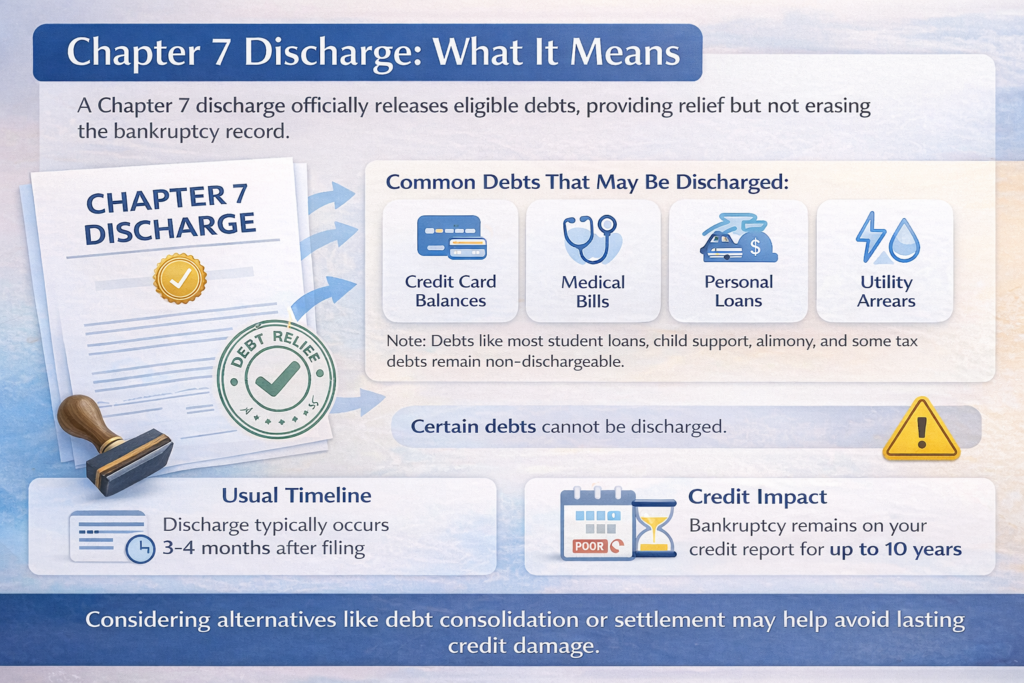
A Chapter 7 discharge is the court order that officially releases you from personal responsibility for certain debts. This means creditors can no longer legally attempt to collect those discharged debts.
Common debts that may be discharged include:
- Credit card balances
- Medical bills
- Personal loans
- Utility arrears
However, not all debts are eligible for discharge. Certain obligations—such as most student loans, child support, alimony, and some tax debts—typically remain.
The discharge usually occurs about three to four months after filing, assuming all requirements are met. While the discharge provides relief, it is important to understand that it does not erase the record of bankruptcy from your credit report.
Because of the long-term credit impact, many individuals consider alternatives—such as debt consolidation or settlement—before filing Chapter 7. These options may provide relief without court involvement or lasting legal consequences.
Life Following Chapter 7 Bankruptcy
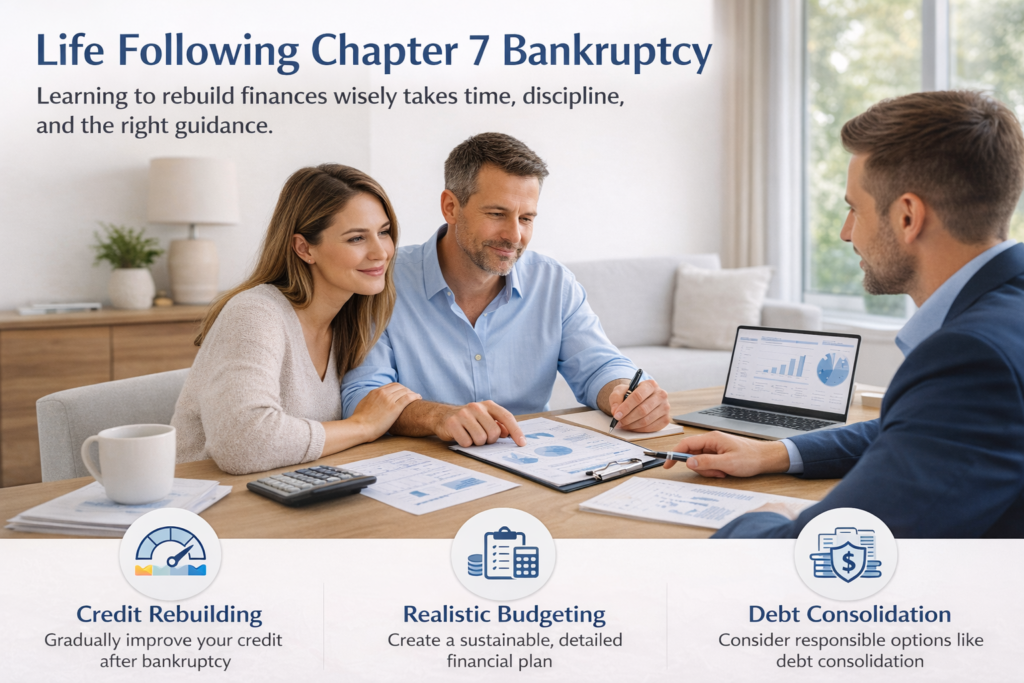
Life after Chapter 7 bankruptcy often feels like a fresh start, but it also comes with responsibility and planning. While unsecured debts may be discharged, rebuilding financial stability takes time and discipline.
Credit rebuilding is usually the first concern. A Chapter 7 filing can remain on your credit report for up to ten years, which may affect loan approvals and interest rates initially. However, many people begin rebuilding credit within months by practicing responsible financial habits.
Budgeting becomes especially important after bankruptcy. Creating a realistic spending plan, building emergency savings, and avoiding high-interest debt can help prevent future financial strain.
It’s also common for individuals to explore financial guidance after bankruptcy. Structured solutions like debt consolidation—used appropriately—can help manage new obligations responsibly without falling back into overwhelming debt. At Pacific Debt Consolidation, we often speak with individuals who are considering bankruptcy or have recently completed it. Our goal is to help people understand their options, rebuild confidence, and move forward with smarter financial strategies
Get The Debt Consolidation
Speak with our licensed debt specialists dedicated to guiding you towards finicial relief
Debt Relief Assessment
Answer a few quick questions — it only takes a minute