
Chapter 13 Bankruptcy
Bankruptcy is a legal procedure that allows individuals to discharge debts when they have become insurmountably high, thereby providing those deep in debt with the opportunity of a fresh financial start. Prior to filing for bankruptcy, the individual makes a comprehensive list of all debts, assets, income and expenses.
This is the most important and time consuming aspect of filing for bankruptcy, but it helps everyone involved (including the judge, trustee, and petitioner) to gain a clear and complete understanding of the petitioner’s financial situation. Additionally, within 180 days prior to any filing, petitioners are required to undergo credit counseling through a Federally approved counseling agency.
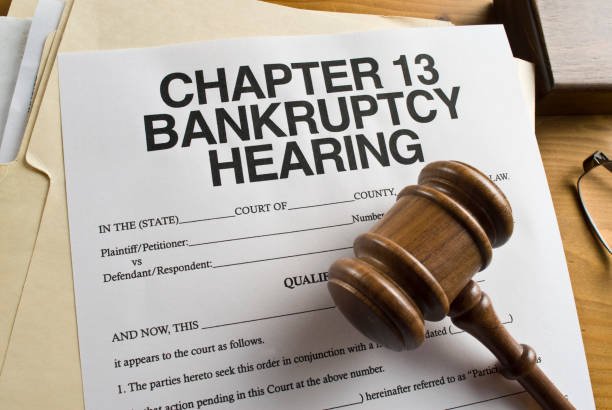

Events Leading to Discharge of Debts Under Chapter 13
Chapter 13 bankruptcy is often referred to as a reorganization bankruptcy. Unlike Chapter 7, which focuses on liquidation, Chapter 13 allows individuals with regular income to repay their debts over time under a court-approved plan.
The process begins when a Chapter 13 petition is filed with the bankruptcy court. Immediately upon filing, an automatic stay goes into effect. This temporarily stops most collection efforts, including creditor calls, lawsuits, foreclosure actions, and wage garnishments. For many individuals, this provides immediate financial relief.
Next, the filer proposes a repayment plan, typically lasting three to five years. This plan outlines how debts will be repaid based on income, expenses, and the type of debt involved. Priority debts—such as certain taxes or past-due child support—must generally be paid in full, while unsecured debts may be paid partially over time.
A bankruptcy trustee is assigned to review the case and administer payments. The trustee collects monthly payments from the filer and distributes them to creditors according to the approved plan. Creditors have the opportunity to review and object to the plan, and the court must confirm it before repayment officially begins.
Throughout the plan period, the filer must remain current on payments and comply with court requirements. Consistency is critical. Missing payments or failing to meet obligations can delay or jeopardize discharge.
Once all plan payments are completed and required financial education courses are satisfied, the case moves toward discharge.
Life Following Chapter 13 Bankruptcy
Life after Chapter 13 bankruptcy often feels more stable, especially for those who have successfully completed their repayment plan. Many individuals emerge with fewer debts, stronger budgeting habits, and a better understanding of their finances.
Credit rebuilding typically begins shortly after discharge. While a Chapter 13 filing can remain on a credit report for several years, consistent payment history during the plan may help reduce the long-term impact. Responsible financial behavior after discharge—such as paying bills on time and avoiding high-interest debt—can further support recovery.
Financial planning becomes especially important after Chapter 13. Creating an emergency fund, maintaining a realistic budget, and using credit cautiously can help prevent future financial hardship.
At Pacific Debt Consolidation, we often speak with individuals who are considering Chapter 13 or have recently completed it. Our focus is on education and guidance—helping people understand whether alternatives like debt consolidation or structured repayment solutions may better support their long-term financial goals.
Chapter 13 Discharge: What It Means
A Chapter 13 discharge is the court order that releases the filer from remaining eligible debts after successful completion of the repayment plan. This discharge legally prevents creditors from attempting to collect on discharged obligations.
In many cases, unsecured debts such as credit cards, medical bills, and personal loans may be partially paid through the plan and then discharged at the end. However, certain debts—such as student loans, most tax obligations, and domestic support payments—are generally not dischargeable.
Unlike Chapter 7, where discharge occurs relatively quickly, Chapter 13 discharge comes only after years of commitment and compliance. It reflects not only debt relief, but also demonstrated financial discipline.
Because of this long-term structure, many individuals consider alternatives like debt consolidation before filing Chapter 13. In some situations, consolidation may offer a more flexible approach without court involvement or long repayment periods.
Get The Debt Consolidation
Speak with our licensed debt specialists dedicated to guiding you towards finicial relief
Debt Relief Assessment
Answer a few quick questions — it only takes a minute